Donating Honey Harvests to St Johns CofE Community
- jonathan37727
- 3 days ago
- 4 min read
Honey is more than just a sweet treat; it represents community, generosity, and the beauty of nature. At St Johns CofE, the act of donating honey harvests has become a cherished tradition, fostering connections among community members while supporting local initiatives. In this blog post, we will explore the significance of donating honey, the process involved, and the positive impact it has on the St Johns CofE community.
The Importance of Honey Donations
Building Community Connections
Donating honey harvests is not just about sharing a delicious product; it is about building relationships within the community. When individuals contribute their honey, they are not only providing a tangible item but also sharing a part of their lives and stories. This act of generosity encourages others to participate, creating a ripple effect of kindness and support.
Supporting Local Initiatives
The honey collected and donated to St Johns CofE is often used to support various community initiatives. These can include:
Food banks: Providing nutritious options for those in need.
Community events: Enhancing gatherings with local flavors.
Educational programs: Teaching children about the importance of bees and sustainability.
By donating honey, individuals contribute to the well-being of their neighbors and help foster a sense of belonging.
The Process of Donating Honey
Harvesting Honey
The journey begins with the careful harvesting of honey. Beekeepers must ensure that they follow ethical practices to maintain the health of their bee colonies. This includes:
Timing: Harvesting honey at the right time to ensure the bees have enough food for winter.
Techniques: Using gentle methods to extract honey without harming the bees.
Preparing for Donation
Once the honey is harvested, it needs to be prepared for donation. This involves:
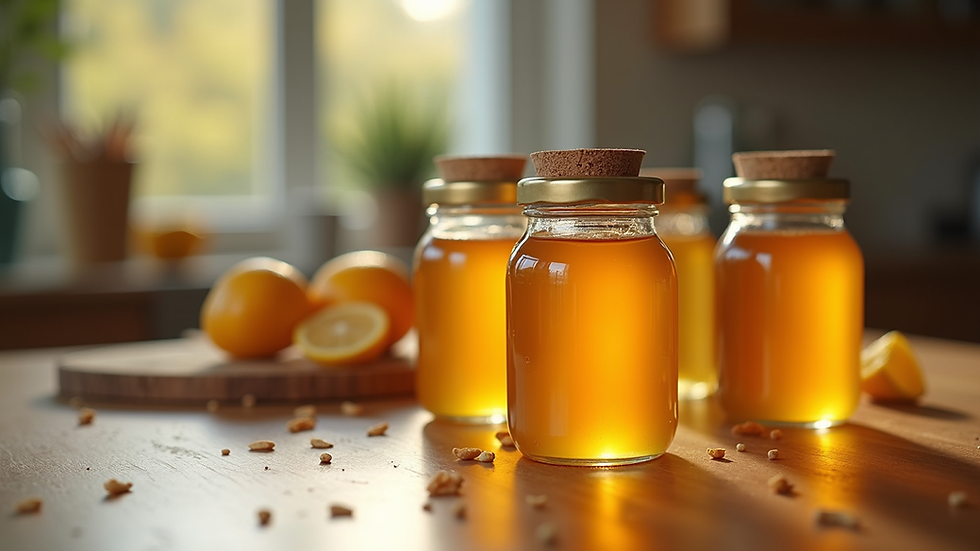
Bottling: Using clean, sterilized jars to store the honey.
Labeling: Clearly marking the jars with information about the honey, including its source and any relevant details.
Coordinating with St Johns CofE
After preparing the honey, donors can coordinate with St Johns CofE to arrange for the donation. This may involve:
Setting a date: Choosing a time that works for both the donor and the church.
Discussing usage: Understanding how the honey will be utilized within the community.
The Impact of Honey Donations
Enhancing Community Spirit
The act of donating honey has a profound impact on the community spirit at St Johns CofE. It encourages individuals to come together, share their experiences, and celebrate the beauty of nature. Events centered around honey donations often include:
Tastings: Allowing community members to sample different varieties of honey.
Workshops: Teaching participants about beekeeping and the importance of pollinators.
Promoting Sustainability
By donating honey, individuals also promote sustainability. Supporting local beekeepers helps maintain healthy bee populations, which are crucial for our ecosystem. This commitment to sustainability resonates with many community members, fostering a culture of environmental awareness.
Inspiring Future Generations
The tradition of donating honey can inspire younger generations to appreciate nature and engage in community service. Children who participate in honey harvesting and donation learn valuable lessons about responsibility, teamwork, and the importance of giving back.
Personal Stories of Honey Donors
A Local Beekeeper's Journey
One local beekeeper, Sarah, shares her experience with donating honey to St Johns CofE. "I started beekeeping as a hobby, but it quickly turned into a passion. When I learned about the donation program, I knew I wanted to contribute. It feels great to share my honey with others and see the joy it brings to the community."
A Family Tradition
For the Johnson family, donating honey has become a cherished tradition. "Every summer, we harvest honey together as a family. It’s a wonderful way to bond and teach our kids about the importance of bees. Donating our honey to St Johns CofE feels like sharing a piece of our family with the community."
How to Get Involved
Become a Beekeeper
If you are interested in contributing honey to St Johns CofE, consider becoming a beekeeper. There are many resources available for beginners, including local beekeeping clubs and online courses. Learning about beekeeping can be a rewarding experience that connects you with nature and your community.
Volunteer for Community Events
St Johns CofE often hosts events that celebrate local produce, including honey. Volunteering for these events is a great way to meet new people and support community initiatives. Whether you help with setup, serve food, or organize activities, your involvement will make a difference.
Spread the Word
Encourage others to donate honey by sharing your experiences. Talk to friends, family, and neighbors about the importance of supporting local initiatives and the joy of giving. The more people who participate, the stronger the community becomes.
Conclusion
Donating honey harvests to St Johns CofE is a beautiful way to connect with others, support local initiatives, and promote sustainability. By participating in this tradition, individuals not only share a delicious product but also contribute to the well-being of their community. Whether you are a seasoned beekeeper or someone interested in getting involved, there are many ways to participate in this meaningful practice. Let’s continue to nurture our community through the sweet gift of honey.


Comments